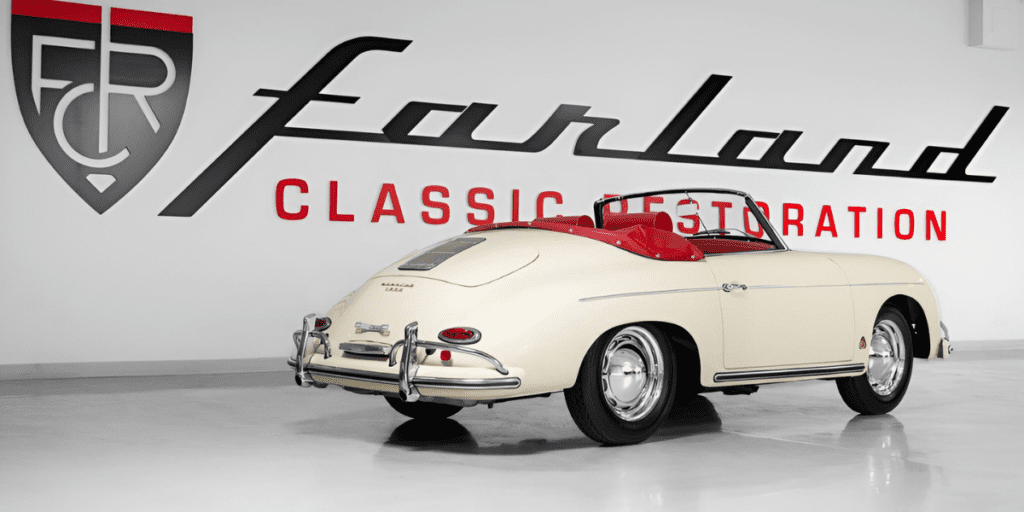
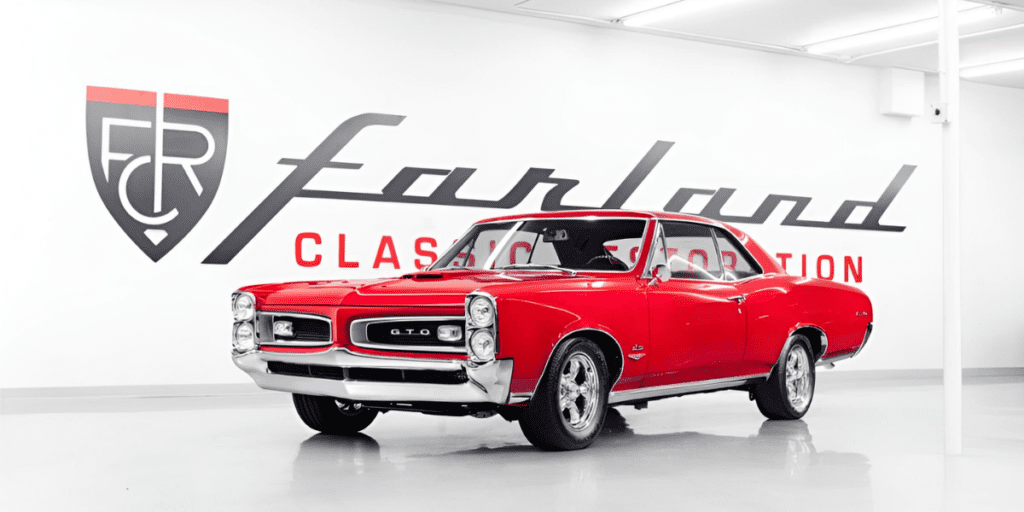
Some cars refuse to be forgotten. A 1966 Pontiac GTO sitting under a tarp in someone’s garage. A Porsche 356 that passed through three families before landing with someone who finally wants to do right by it. A Ferrari that spent twenty years in a barn and still has the bones to turn heads once the work is done. Vintage car restoration is the process of giving those cars back what time took from them, and doing it in a way that holds up.
It is not a simple process. It is not cheap. And the difference between a shop that understands that and one that does not will show up in the finished car, sometimes immediately, and sometimes a few years down the road when the shortcuts start showing.
More Than Just a Repaint
A lot of people use the word restoration when they mean something far more surface-level. A fresh coat of paint, a carburetor cleaning, maybe new seat covers. That is maintenance. Vintage car restoration, done properly, means disassembling the vehicle down to its frame, looking honestly at every component, and rebuilding the car the way it was meant to be, or better.
Metalwork, bodywork, paint, mechanical systems, upholstery, trim, assembly. Each one of those is a separate craft. Each one takes years to develop expertise. . The shops that handle all of it well are not one-person operations running out of a residential garage. They are teams where different people own different specialties, and the quality of the coordination between those people shows in the final result.
Farland Classic Restoration, based in Englewood, Colorado, has been doing this since 1991. Jack Farland’s family connection to rare automobiles goes back further than that. His father ran a Ferrari dealership in Denver in the late 1960s, and Jack grew up around cars that most people only see in photographs. Over three decades, Farland has built a reputation that covers American muscle, European exotics, family classics, and everything in between.
What Actually Happens During a Restoration
The sequence varies slightly from shop to shop, but the core process stays consistent.
It begins with disassembly, where experienced shops carefully document every bolt, panel, and part before removal. This step records what is original, what has been replaced, and where issues like rust or past filler repairs exist. That documentation becomes the blueprint for the entire vintage car restoration project and helps prevent costly surprises later.
Next comes metalwork, where the true condition of the car is revealed. Stripped back to bare metal, hidden damage appears—old collision repairs, rust, or panels that need full fabrication. This stage involves straightening, welding, and precise shaping, and it cannot be rushed if the result is expected to last.
Paint preparation and finishing follow only after the body is correct. Epoxy primer, build primer, block sanding, and wet sanding all happen before any color is applied. The final finish that looks flawless years later is built on these unseen preparation hours, not just the paint itself.
At the same time, or sometimes after bodywork, mechanical restoration takes place—engine, transmission, brakes, suspension, and electrical systems are rebuilt or replaced as needed. Parts are restored, sourced as new-old-stock, or carefully matched to original specs. If the car is to be a RestoMod, this is the time where a new crate engine, new suspension, new electric/electronics and more is spec’d and installed.
Finally, assembly brings everything together. This is where craftsmanship becomes visible—perfect panel gaps, aligned trim, smooth door fit, and a car that feels complete again. It’s the stage that reveals whether the vintage car restoration was done with true attention to detail and pride.
Frame-Off or Driver Quality: What Your Car Actually Needs
Not every vintage car needs to be taken apart at the frame rails and built from the ground up. And not every owner wants a trailer queen that lives in a climate-controlled garage between concours appearances.
A frame-off restoration is the most thorough approach. Everything comes apart, everything gets assessed, and everything that needs replacing gets replaced. It is the highest level of work and is reflected in the cost. A driver-quality restoration focuses on what actually needs attention, gets the car looking and driving well, and leaves original components in place where they are still doing their job. Both are legitimate choices. The right one depends on the car’s condition, what the owner wants from it, and what the vehicle is realistically worth. Each project is different. Often, simple paint correction and a heavy detail can work wonders.
Farland works across that full range. A family muscle car with sentimental value gets a different conversation than a limited-production Ferrari. The approach to each is different because it should be.
Conclusion
Vintage car restoration, when it is done right, gives a car back more than its original condition. It gives it a future. Farland Classic Restoration has spent over thirty years working on cars that matter to people, from everyday classics with family history to rare European exotics worth serious money. If you have a car sitting somewhere that deserves the right hands, it is worth the conversation.
Give your vintage car the attention and craftsmanship it deserves.
Start Your Restoration Project
FAQs
What does vintage car restoration involve?
It kind of covers the whole journey, disassembly through metalwork and then paint preparation, mechanical rebuilding, upholstery, trim work, chrome refinishing, and finally assembly. But the scope really depends on what the car actually needs and also what the owner is aiming for with it. A full frame-off rebuild takes everything down to bare metal, no shortcuts. A driver-quality restoration, on the other hand, focuses on the stuff that needs attention most while keeping original components that are still usable and serviceable, an approach often seen in shops like Farland Classic Restoration.
How long does a complete vintage car restoration take?
There really is no single answer, because every car ends up being different in its own way. A vehicle that has serious rust or some complicated mechanical history can end up taking a year, maybe even longer, to do it properly, not just “good enough.” The places that actually document the disassembly pretty thoroughly tend to stay on schedule more reliably, since they aren’t running into surprises that they should have noticed sooner. And yes, rushing a restoration is one of the most dependable ways to wind up with a car that needs repairs again in just a few more years.
How do I find the right restoration shop for my classic car?
Try to see the shop in person, not just photos of finished cars. You can tell a lot from a clean, organized facility with work areas that are well-lit and kept up; it says something real about the actual standards they follow. Ask how they document the project, ask how they communicate if costs change, and ask if you can take a look at what they are doing right now, in progress. A place that’s been building its reputation in the collector community for decades is much harder to fake than some fancy website.
What kinds of vehicles does Farland Classic Restoration work on?
Farland works across a wide spectrum, from American muscle and domestic classics to European exotics, like Ferrari, Porsche, Maserati, and Mercedes-Benz. The work has included everything from family cars with deep personal history to rare limited-production pieces that can be valued well into the seven-figure range. How it’s handled is really tailored each time, matching the vehicle, and also what the owner is honestly trying to accomplish, not just the looks.
Is restoring a vintage car worth the investment financially?
For the right car, done by a reputable shop with proper documentation, yes. A well-cared restoration on a desirable model usually holds its worth and tends to grow in value more than a vehicle with an unclear past or amateur workmanship. Past the numbers, a lot of owners care less about the payoff and more about getting the job done once, correctly, by folks who genuinely understand what they are working on.