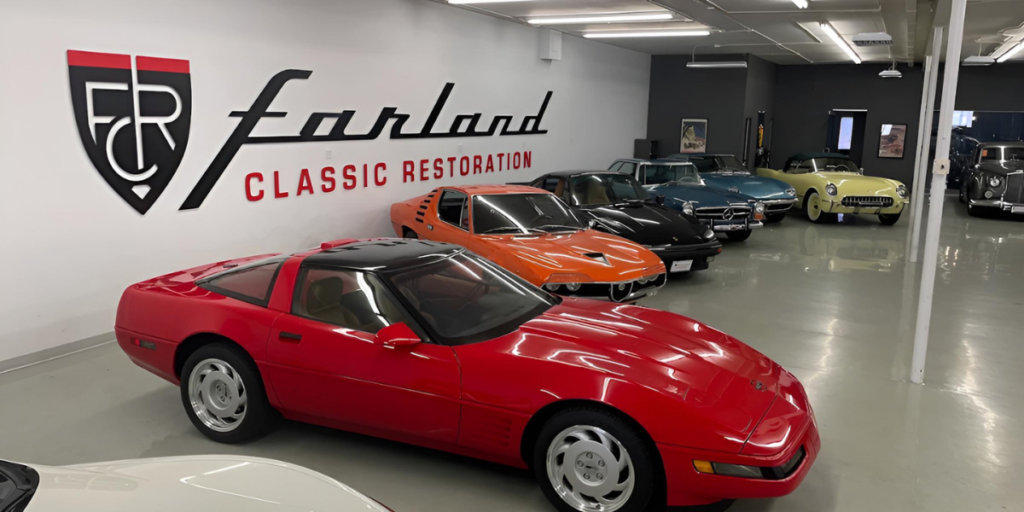
There is a specific kind of magic in pulling a tarp off a vehicle that hasn’t seen the sun in decades. You see the potential, the sweeping lines, the chrome bumpers, the engine that, with enough stubbornness, will roar to life again. But before you dive into a classic car restoration, you need to have a very honest conversation with yourself. This isn’t just about turning wrenches on a Saturday; it’s a lifestyle choice that will test your patience, your bank account, and your resolve.
If you are serious about bringing a piece of automotive history back from the brink, here is the unfiltered reality of what lies ahead.
The Reality Check: Planning Your Build
Most people end up failing due to the absence of a blueprint. A classic car restoration done to showcase needs attention to detail bordering on obsession. You will be hunting for original nuts and bolts, researching how to get period-correct leather seats, and working hard to sandpaint by hand. If perfection is what you are aiming at, triple your budget and timeline estimates.
Phase 1: The Teardown and Discovery
This is the part where reality sets in. You start taking things apart, and for every bolt you remove, you find two more that are rusted solid or stripped. You will find “ghosts” in the car, previous repairs done by people who clearly had no idea what they were doing.
Documenting this phase is non-negotiable. Bag and tag every single piece. Use a digital camera to track where wires go, how brackets align, and how trim pieces sit. If you skip this, you’ll be staring at a box of mystery parts six months from now, wondering why your dashboard won’t line up.
Phase 2: The Metal and Bodywork
This is the heart of a classic car restoration. If your foundation is rotten, the rest of the build is a house of cards. Modern tools like media blasting can reveal the truth about your car’s body. You might think you have a solid quarter panel, only to find a quarter-inch of body filler hiding a hole the size of a dinner plate.
Don’t rush the metalwork. If you cut corners here, your paint job will crack, and rust will bubble back up within a year. Whether you are welding in new patches or replacing entire floor pans, this stage is where the “showroom finish” is actually earned.
Are you worried about your restoration project?
Explore Our Restoration Services
Phase 3: The Mechanical Resurrection
Once the body is straight, the car needs a heart. Engine rebuilding from the ’50s and ’60s is very different compared to repairing newer engines that use fuel injection systems. You don’t just exchange parts because some may already be obsolete and hard to find.
Many builders choose to modernize the internals, adding electronic ignition or better cooling systems, to make the car actually usable in modern traffic. It’s a delicate balance. Keep the aesthetic authentic, but don’t be afraid to use technology that makes the car safer and more reliable.
Phase 4: The Finishing Touches
The home stretch is where the project transforms from a “car” into a “machine.” Upholstery, trim, electrical, and glass installation- this is tedious work. It’s easy to get lazy when you are this close to the end, but this is exactly where the difference between an amateur job and a professional classic car restoration is established.
Fitment is everything. Are the panel gaps consistent? Is the wiring tucked away properly? Do the gauges actually read correctly? These are the details that judges and fellow enthusiasts will notice immediately.
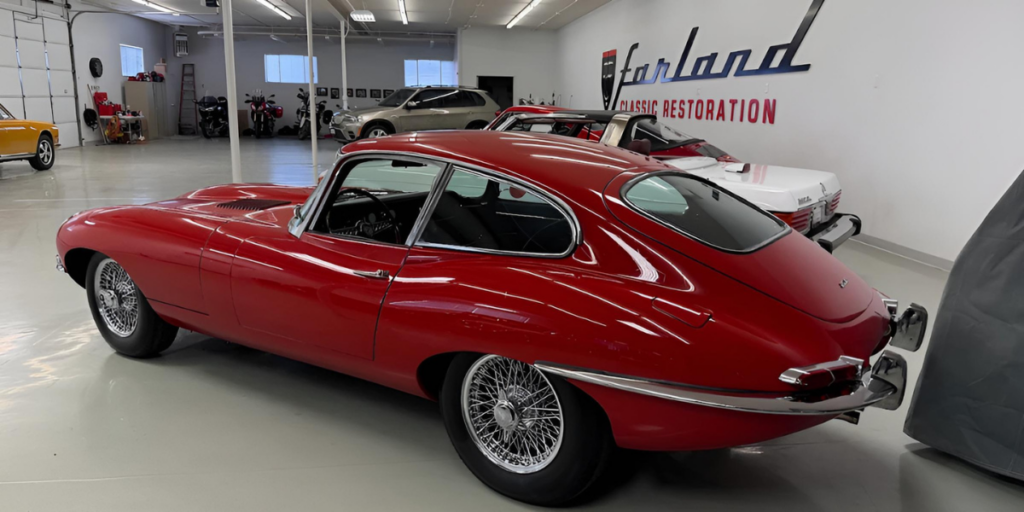
Why Do We Do It?
At some point, you will hit a wall. You’ll be broke, tired, and frustrated by a part that won’t fit. You’ll ask yourself why you didn’t just buy a modern car and call it a day.
But then, the day comes. You turn the key, the engine catches, and that distinct, raw exhaust note fills the garage. You pull out of your driveway, and for a few miles, you aren’t just driving a vehicle; you’re driving history. That moment of clarity makes every struggle, every dollar spent, and every scraped knuckle worth it.
A classic car restoration process becomes something that alters your perception. You become a peer to much more than what you are accustomed to. After sorting out everything from the chaos, you get a masterpiece that is worth the effort.
Ready to start your own build?
Frequently Asked Questions
1. Is it cheaper to buy a finished car or restore one?
Usually, buying a finished car is much cheaper than performing a full classic car restoration. Vehicle restoration has little to do with the cost-benefit analysis of an undertaking. It is all about the personal process, desired modifications, and creating something.
2. How long does a full restoration actually take?
It varies wildly based on the car’s condition and your end goal. A simple cosmetic refresh might take a few months, while a ground-up, frame-off restoration can easily take 1,000 to 3,000+ hours of labor.
3. What is the most expensive part of restoring a classic car?
Bodywork and painting are always the most costly components. Since these processes involve a lot of labor and expertise, they can sometimes take up most of the budget.
4. Can I restore a car if I don’t have mechanical experience?
Yes, but you would have to be a fast learner or establish good relationships with the people running the local garage. You should start by getting involved with less complicated cars and doing things like cleaning and polishing first.